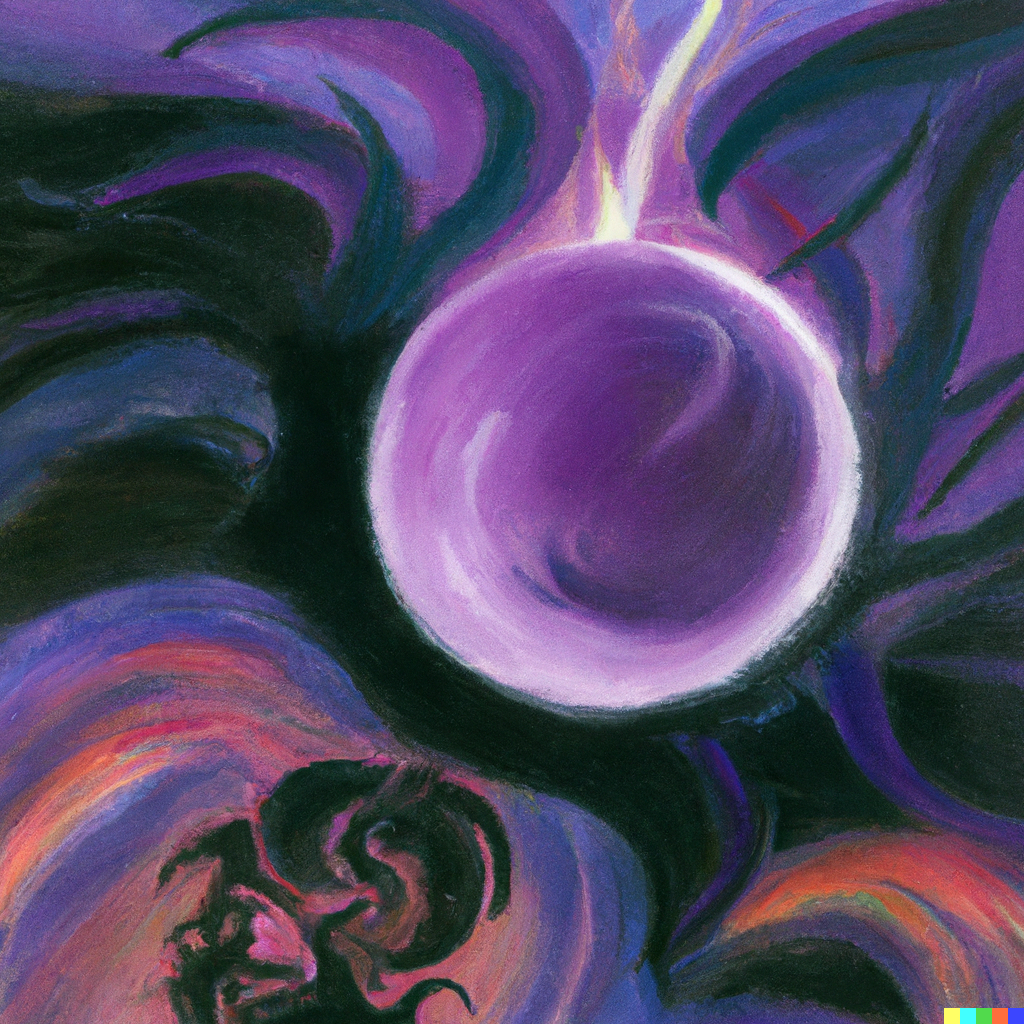
Slow Silent Death of a Smile
When you’re born, everything is so unfamiliar, you don’t even know what familiarity is. Yes, you might be biologically equipped with most things that humans have. Yes, your mouth moves into shapes that curves upwards at the edges, coupled with cute little noises, but is it already truly a smile? Maybe it is. Maybe it is the purest form of it. Unforced, not meticulously practiced, just an unadulterated expression of sheer joy.
Then you start to experience life. You do things that your parents get frustrated about, and they begin to shout at you for, say, breaking a plate or one of their favorite action figures. So then you start feeling the contrast, understanding that you don’t just cry because you pooped yourself, but because you feel. So then that does mean that once you actually feel gracious, like when you’re praised for doing something good, or if you receive that present that you really wanted, your smile emanates like the sun on the first spring morning. Your smile is truly born on that day. The day that, you might not think about anymore but “know”.
We’d learn the other uses of that smile: Smile and be polite, smile for the camera, smile you’ll look cuter. There’s nothing really wrong with that–a performative smile can also be real. There is a purpose for it, whether it is for keeping that aunt of yours that always takes the pictures happy, or for making new friends even if you’re so anxious, you feel your legs shaking. The practice sometimes makes it real, gives your smile a shape, to make it easier to express, or easier to hide when you need to retreat into yourself.
The luckiest of us will continue to dispense that smile with not a thought. Whatever it is, may it be still that rawest of smiles, to the most manicured, some of us will give it out freely and naturally. Of course, even these luckiest of people will have to cry, to rage, to be nonplussed, and that merely becomes contrast to the radiant upwards curl of a beautiful, sweet, real smile.
The rest of us will see that smile fade. Not the practiced shape with the carefully twisted points, but the emotion that it’s supposed to convey. Smile and be polite, smile for the camera, smile you’ll look cuter. That’s what is left, the rote. It may perhaps be extended to: smile you’ll upset someone, or, smile don’t be so antisocial, but the smile–it’s slowly becoming meaningless.
After a while, even that practiced smile will be a caricature of itself. A clone of a clone of a clone, and even those who don’t know the realness they once had, have this feeling of discomfort around that simulacrum of an expression. Soon enough, you don’t even have the opportunity, or the will to show that practiced smile. You find yourself only barely able to grimace, and you know even that is as empty as the emotion attached to it. A grimace that clings to some semblance of happiness. A grimace so flat and stiff, as if rigor mortis had set itself there, despite your pulse.